
Side effects
Can Ozempic or Mounjaro Cause Low Blood Sugar Without Diabetes?
Ozempic low blood sugar without diabetes is uncommon, with 0.3% on Zepbound vs 0% on placebo in its main trial. Insulin or a sulfonylurea raises the risk.
Medically reviewed by Farnia Bahari, PharmD
Published 11 min read
Without diabetes, low blood sugar is uncommon on GLP‑1 drugs such as Ozempic and Mounjaro. In tirzepatide’s main trial without type 2 diabetes (Zepbound, the drug in Mounjaro), 0.3% had a reported reading below 54 mg/dL (3.0 mmol/L), against none on placebo (Zepbound prescribing information, section 6.1). Ozempic’s trials were in type 2 diabetes, and the risk climbs mainly with insulin or a sulfonylurea.
Key facts
- In STEP 1, low blood sugar was reported by 0.6% of adults without diabetes on semaglutide 2.4 mg and 0.8% on placebo (STEP 1 in NEJM, Table 3).
- In the European review of SURMOUNT-1, 1.43% to 1.59% on tirzepatide had a reading below 54 mg/dL (3.0 mmol/L) or a severe low, against 0.16% on placebo (EMA assessment report, Table 50).
- In the SELECT heart trial, people with past weight-loss surgery had serious lows on Wegovy at 2.3% (2 of 87), against 0% (0 of 97) on placebo (Wegovy label, section 6.1).
- With a sulfonylurea in type 2 diabetes, lows on Zepbound reached 10.3%, against 2.1% without one (Zepbound label, section 5.7).
- The ADA calls below 70 mg/dL (3.9 mmol/L) a level 1 low and below 54 mg/dL (3.0 mmol/L) level 2 (ADA Standards of Care 2026, section 6), and the NHS uses below 4 mmol/L (NHS, low blood sugar).
Can Ozempic cause low blood sugar if you don’t have diabetes?
It can, but the UK Wegovy SmPC rates it uncommon in people without type 2 diabetes, meaning at least 1 in 1,000 and fewer than 1 in 100 (Wegovy SmPC, section 4.8). Wegovy holds the same semaglutide as Ozempic, which is approved for type 2 diabetes (Ozempic label, sections 1 and 6.1).
STEP 1 gave semaglutide 2.4 mg or placebo to 1,961 adults without diabetes for 68 weeks (STEP 1 in NEJM). Low blood sugar was reported by 8 of 1,306 people on semaglutide (0.6%) and 5 of 655 on placebo (0.8%) (STEP 1 in NEJM, Table 3).
Those are adverse-event reports; the US Wegovy label says "there was no systematic capturing or reporting of hypoglycemia" in its weight trials in adults without type 2 diabetes (Wegovy label, section 6.1). In SELECT, a heart trial of 17,604 adults without type 2 diabetes, the label counts 3 serious episodes on Wegovy and 1 on placebo (Wegovy label, section 6.1).
A 2024 analysis of 8 trials in 8,847 adults without diabetes found 17 extra hypoglycemia events per 1,000 people over 2 years on GLP‑1 drugs (95% confidence interval 1 to 68) (2024 benefit-harm analysis). Zepbound’s main trial without type 2 diabetes counted 0.3% below 54 mg/dL (3.0 mmol/L), against none on placebo (Zepbound label, section 6.1), and Foundayo’s trial counted 0.6% against none (Foundayo label, section 6.1).
How often does low blood sugar happen on Wegovy, Zepbound and Mounjaro?
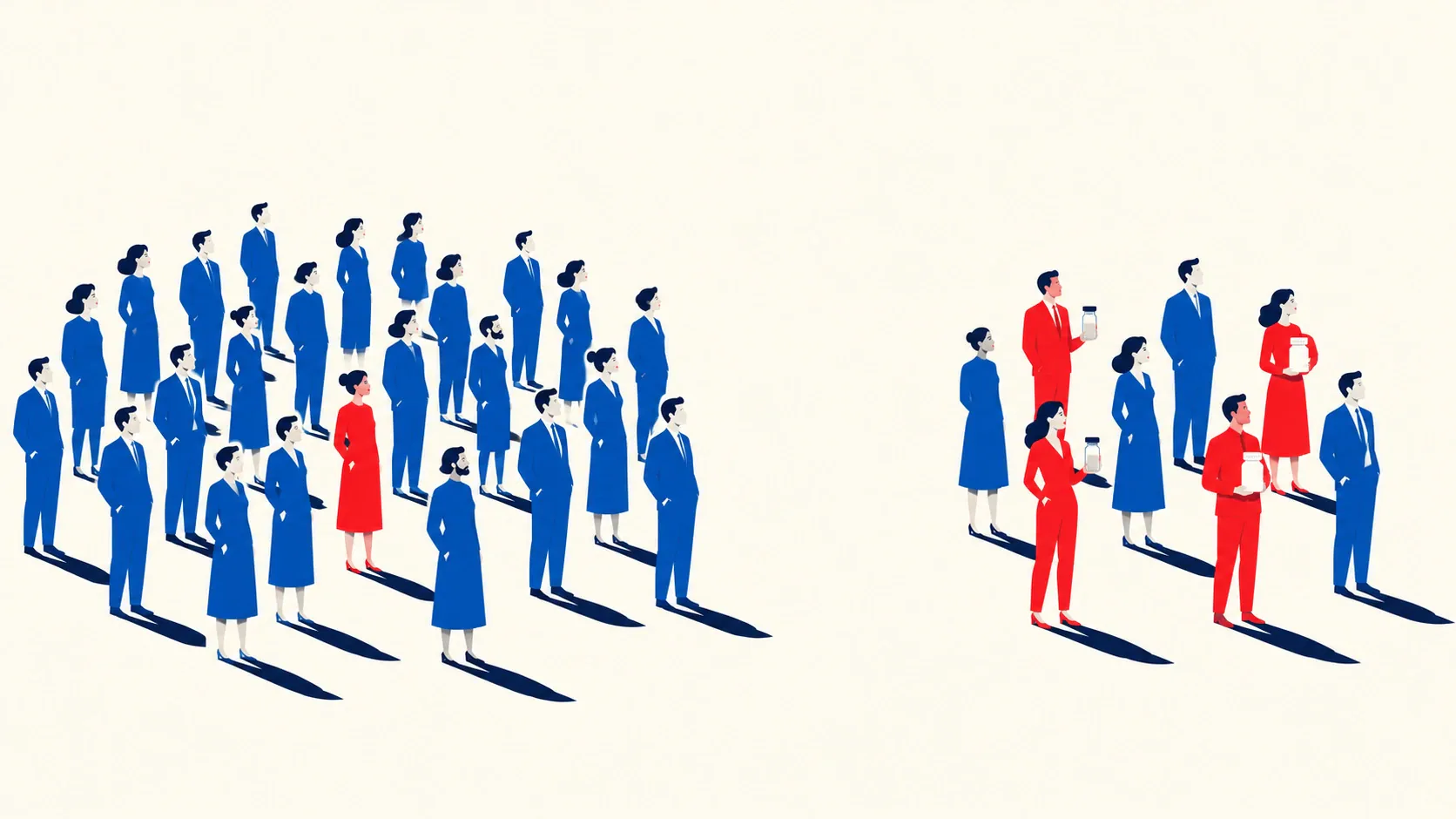
Without diabetes, reported lows ran at 0.6% on Wegovy’s semaglutide against 0.8% on placebo, and 0.3% to 1.59% on tirzepatide depending on how they were counted (STEP 1 in NEJM, Table 3, Zepbound label, section 6.1, EMA report, Table 50). The table lists the groups without diabetes first, from STEP 1, the EMA report and the Zepbound, Wegovy, Mounjaro and Ozempic labels.
| Who was treated | Low blood sugar reported, drug vs comparison group | Source |
|---|---|---|
| Semaglutide 2.4 mg, adults without diabetes (STEP 1) | 0.6% vs 0.8%, reported as an adverse event | STEP 1, Table 3 |
| Zepbound, adults without type 2 diabetes (SURMOUNT-1), US count | 0.3% vs 0%, below 54 mg/dL (3.0 mmol/L) | Zepbound label, section 6.1 |
| The same trial, European count | 1.43% to 1.59% vs 0.16%, below 54 mg/dL (3.0 mmol/L) or severe | EMA report, Table 50 |
| Wegovy, adults with heart disease without type 2 diabetes (SELECT) | 3 serious episodes vs 1 | Wegovy label, section 6.1 |
| Wegovy after bariatric surgery (SELECT) | 2.3% vs 0%, serious episodes | Wegovy label, section 6.1 |
| Ozempic alone, type 2 diabetes, 30 weeks | 1.6% on 0.5 mg and 3.8% on 1 mg vs 0%, 70 mg/dL (3.9 mmol/L) or below with symptoms | Ozempic label, Table 2 |
| Mounjaro alone, type 2 diabetes, 40 weeks | 0% at every dose vs 1%, below 54 mg/dL (3.0 mmol/L) | Mounjaro label, Table 2 |
| Zepbound, type 2 diabetes | 4.2% vs 1.3%, below 54 mg/dL (3.0 mmol/L) | Zepbound label, section 5.7 |
| Wegovy, type 2 diabetes | 6.2% vs 2.5%, below 54 mg/dL (3.0 mmol/L) | Wegovy label, section 6.1 |
| Zepbound with a sulfonylurea, type 2 diabetes | 10.3% vs 2.1% without one, both on Zepbound | Zepbound label, section 5.7 |
| Mounjaro with a sulfonylurea, type 2 diabetes, up to 104 weeks | 9.9% to 13.8% across doses, below 54 mg/dL (3.0 mmol/L), no placebo figure | Mounjaro label, section 6.1 |
| Mounjaro with basal insulin, type 2 diabetes | 14% to 19% vs 13%, below 54 mg/dL (3.0 mmol/L) | Mounjaro label, Table 2 |
SURMOUNT-1 did not use glucose meters routinely (EMA assessment report). The US label count also leaves out lows during oral glucose tolerance tests (FDA clinical review of Zepbound), while the EMA count takes in severe lows and the follow-up period (EMA assessment report, Table 50). The diabetes rows, including Wegovy’s 6.2%, are not the rate for someone without diabetes.
Why is low blood sugar rare on GLP‑1 drugs without diabetes?
Low blood sugar is rare because semaglutide and tirzepatide raise insulin in a glucose-dependent way (Ozempic label, section 12.1, Mounjaro label, section 12.1). In the Ozempic label’s words, "when blood glucose is high, insulin secretion is stimulated, and glucagon secretion is inhibited" (Ozempic label, section 12.1).
Glucagon, the hormone that lifts blood sugar back up, still rose during a low in a test in people with type 2 diabetes. When their blood sugar was lowered on purpose, "semaglutide did not alter the counter regulatory responses of increased glucagon compared to placebo" (Ozempic label, section 12.2).
The Endocrine Society says "Insulin or insulin secretagogue treatment of diabetes mellitus is the most common cause of hypoglycemia" (Endocrine Society guideline), and the Wegovy label ties its extra risk to insulin and sulfonylureas (Wegovy label, section 5.4).
What does low blood sugar feel like on Ozempic or Mounjaro?
The Zepbound Medication Guide, for the tirzepatide in Mounjaro, lists dizziness or light-headedness, sweating, shakiness, a fast heartbeat, hunger, feeling jittery, anxiety or irritability, confusion or drowsiness, headache, blurred vision, slurred speech and weakness (Zepbound Medication Guide). The Wegovy guide, for the semaglutide in Ozempic, lists most of the same signs (Wegovy Medication Guide). The NHS adds tingling lips and heart palpitations, and says a severe low can cause a seizure or unconsciousness (NHS, low blood sugar).
In people without diabetes, the body’s alarm response to falling glucose starts at 70 mg/dL (3.9 mmol/L) (ADA Standards of Care 2026, section 6). Below 54 mg/dL (3.0 mmol/L), symptoms from the brain running short of glucose begin and the ADA says the low needs immediate action. The NHS treats a reading below 4 mmol/L as low (NHS, low blood sugar).
In SURMOUNT-1, no symptoms were reported for 26 of the 34 low events on tirzepatide (EMA assessment report). Feeling tired is on the NHS list too, though the NHS calls low blood sugar rare in people without diabetes (NHS, low blood sugar).
Why am I shaky on Mounjaro if it isn’t low blood sugar?
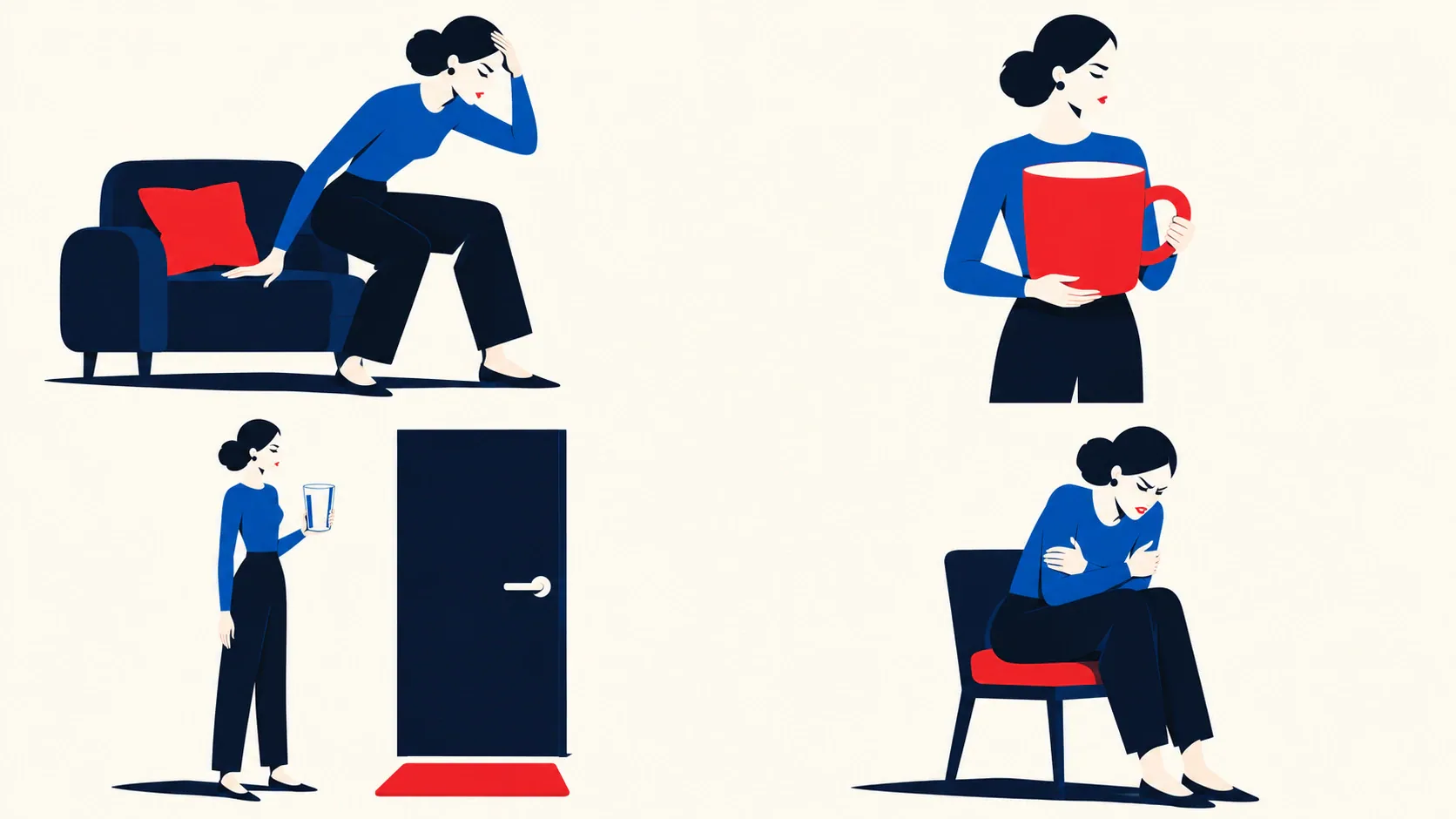
If a glucose reading is normal, shaking on Mounjaro fits anxiety or too much caffeine, which the NHS anxiety page and the FDA caffeine page tie to shaking and jitters. Dizziness or weakness can point to low blood pressure (NHS, low blood pressure), reported in 1.6% on Zepbound against 0.1% on placebo (Zepbound label, section 6.1). The table adds fluid loss and a faster resting pulse from the Wegovy label.
| Possible cause | What points to it | What the source says |
|---|---|---|
| Low blood pressure | Light-headed, weak or faint as you stand up, more likely on blood pressure tablets | Zepbound 1.6% vs 0.1% on placebo, and 2.2% on blood pressure medicines vs 1.2% not on them; Wegovy 1.3% vs 0.4%, fainting 0.8% vs 0.2% |
| Fluid loss | Light-headed or faint after vomiting or diarrhea | Some low blood pressure on Wegovy and Zepbound came with stomach side effects and fluid loss |
| Caffeine | Jittery after more coffee than usual | Too much caffeine can cause jitters, anxiety and a raised heart rate; up to 400 milligrams a day, about two to three 12-fluid-ounce cups of coffee, is not generally linked to negative effects |
| Anxiety | Shaking, sweating and a racing heart that come with worry or panic | The NHS lists shaking, sweating, dizziness and a faster heartbeat as physical signs of anxiety; a panic attack usually lasts 5 to 20 minutes |
| A faster resting heart rate | A racing heartbeat while you are at rest | Wegovy raised resting heart rate by 1 to 4 beats per minute and Zepbound heart rate by 1 to 3; the Wegovy label asks patients to report a racing heartbeat at rest |
For dizziness on standing, the NHS advises getting up slowly and drinking more water (NHS, low blood pressure). If vomiting or diarrhea set it off, the water intake calculator gives a daily fluid target to start from.
How can you tell a real low from a look-alike?
Only a glucose reading taken during the spell can settle it, because the Endocrine Society counts a low only when symptoms, a low reading and relief once glucose is raised line up (Endocrine Society guideline).
If you have a glucose meter, check during the spell, not an hour later. A reading below 70 mg/dL (3.9 mmol/L) is low on the ADA’s diabetes scale (ADA Standards of Care 2026, section 6); a normal reading points to a look-alike.
Without a meter, note for your GP the hours since your last shot and last meal at each spell. Semaglutide peaks 1 to 3 days after an Ozempic or Wegovy injection (Wegovy label, section 12.3) and tirzepatide a median 24 hours after Zepbound (Zepbound label, section 12.3), so the note shows whether your spells fall near those days. The GLP‑1 dosage plotter shows where your estimated level sits on any day since your shot.
To keep that record, log each shaky spell in Pensday as a symptom with its time, a 0 to 10 severity and a note; the same app logs your shots, meals and water. Its level curve shows your estimated medication level by day since each injection. Pensday does not record blood glucose, so if you have a meter, type the reading into the note.
Who is more likely to get low blood sugar on a GLP‑1?
People who also take insulin or a sulfonylurea have the highest rates; Ozempic added to basal insulin brought symptomatic lows to 16.7% on 0.5 mg and 29.8% on 1 mg, against 15.2% on placebo (Ozempic label, Table 2). In type 2 diabetes, the UK Mounjaro SmPC lists lows as uncommon with metformin, common with metformin and an SGLT2 inhibitor, and very common with a sulfonylurea or insulin (Mounjaro SmPC, section 4.8).
The NHS names gliclazide and glimepiride among the diabetes tablets that can cause lows, and tells people on them not to skip or delay meals or drink alcohol without eating (NHS, low blood sugar). Before drinking on these drugs, read what the research says about semaglutide and alcohol cravings.
Among people without diabetes, past weight-loss surgery is the risk factor the Wegovy label names, with serious lows in 2.3% (2 of 87) on Wegovy against 0% (0 of 97) on placebo in SELECT (Wegovy label, section 6.1).
What should you do if you feel low on Ozempic or Mounjaro?
Take fast sugar if a meter reads 70 mg/dL (3.9 mmol/L) or less (ADA Standards of Care 2026, section 6) or below 4 mmol/L (NHS, low blood sugar), or if the signs are strong. Then check again, by meter or by whether the signs ease (Endocrine Society guideline). The NHS suggests a small glass of fruit juice or sugary fizzy drink, 5 glucose or dextrose tablets, 4 large jelly babies or 2 tubes of glucose gel, then recheck after 10 to 15 minutes (NHS, low blood sugar). The ADA gives 15 g of fast-acting carbohydrate and a recheck 15 min later, repeated if glucose is still low. Both routines are written for people with diabetes.
Once you feel better, eat something that lasts, such as biscuits, a sandwich or your next meal (NHS, low blood sugar). When nausea makes food hard, what to eat with GLP‑1 nausea lists foods that tend to stay down.
Never give food or drink to someone who is unconscious (NHS). The NHS says to call 999 if someone with very low blood sugar is unconscious or not responding normally and glucagon is unavailable, has not worked within 10 minutes or they have been drinking alcohol (NHS, low blood sugar). In the US, the ADA says to call emergency services for anyone who is not alert or cannot take carbohydrate (ADA Standards of Care 2026, section 6).
For a low you think is a serious side effect, the NHS semaglutide page says to call NHS 111 (NHS, semaglutide). If you take insulin or a sulfonylurea with your GLP‑1, the labels say lowering those doses may cut the risk, a change your prescriber makes (Zepbound label, section 5.7). If you don’t have diabetes and get symptoms of a low, the NHS says to see a GP; take the times of your spells and any readings with you (NHS, low blood sugar).
Questions
Frequently asked questions
Can Ozempic cause low blood sugar at night?
No US label gives a night-time rate for people without diabetes on Ozempic or Wegovy. If you wake up shaky or sweaty, only a glucose reading taken then can show a real low (Endocrine Society guideline). Overall, the Wegovy label counts 3 serious lows on Wegovy against 1 on placebo among 17,604 adults without type 2 diabetes in SELECT (Wegovy label, section 6.1).
Can Mounjaro cause low blood sugar after eating?
No US label lists after-meal lows for people without diabetes on Mounjaro or Zepbound, and the Endocrine Society asks for a glucose reading taken during the symptoms to confirm one (Endocrine Society guideline). In SURMOUNT-1, the FDA counted lows outside glucose tolerance tests, 6 of 1,896 people on tirzepatide (0.3%), because lows after the test’s sugary drink "occur commonly in healthy individuals" (FDA clinical review of Zepbound).
Can the Wegovy pill cause low blood sugar?
It can, and one Wegovy label covers both the Wegovy pill and the injection, warning that the risk rose when semaglutide injection or tablet was taken with insulin or a sulfonylurea (Wegovy label, section 5.4). Its weight trials in adults without type 2 diabetes did not routinely capture lows, and it gives no tablet figure for them (Wegovy label, section 6.1).
Why is my blood sugar low when I don’t have diabetes?
The NHS says low blood sugar is rare without diabetes and can sometimes be caused by malnutrition, Addison’s disease or a growth in the pancreas (NHS, low blood sugar). Across 8 trials in adults without diabetes, GLP‑1 drugs added 17 hypoglycemia events per 1,000 people over 2 years (2024 benefit-harm analysis).
Sources
- Zepbound (tirzepatide) prescribing information and Medication Guide. Eli Lilly and Company, 2026.
- Wegovy (semaglutide) prescribing information and Medication Guide. Novo Nordisk, 2026.
- Ozempic (semaglutide) prescribing information. Novo Nordisk, 2026.
- Mounjaro (tirzepatide) prescribing information. Eli Lilly and Company, 2026.
- Foundayo (orforglipron) prescribing information. Eli Lilly and Company, 2026.
- Once-weekly semaglutide in adults with overweight or obesity (STEP 1). New England Journal of Medicine, 2021.
- Mounjaro, assessment report on the weight management extension (SURMOUNT-1). European Medicines Agency, 2023.
- Zepbound (tirzepatide), clinical review, NDA 217806. US Food and Drug Administration, 2023.
- GLP‑1 receptor agonists for weight reduction in people living with obesity but without diabetes: a living benefit-harm modelling study. EClinicalMedicine, 2024.
- Wegovy 2.4 mg FlexTouch, Summary of Product Characteristics. Novo Nordisk, 2026.
- Mounjaro KwikPen, Summary of Product Characteristics. Eli Lilly and Company, 2026.
- Glycemic goals, hypoglycemia, and hyperglycemic crises: Standards of Care in Diabetes 2026. American Diabetes Association, 2026.
- Evaluation and management of adult hypoglycemic disorders: an Endocrine Society clinical practice guideline. Endocrine Society, 2009.
- Low blood sugar (hypoglycaemia). NHS, 2023.
- Semaglutide. NHS, 2026.
- Low blood pressure (hypotension). NHS, 2023.
- Anxiety, fear and panic. NHS, 2026.
- Spilling the beans: how much caffeine is too much?. US Food and Drug Administration, 2024.