
Side effects · Protein and nutrition
What to Eat and Drink With Ozempic Diarrhea
Small, bland, low-fat meals are what to eat with Ozempic diarrhea; drink extra fluid and avoid sugar alcohols. Call a doctor if it lasts more than 2 days.
Medically reviewed by Farnia Bahari, PharmD
Published 9 min read
Eat small, bland, low-fat meals and drink extra fluid while Ozempic diarrhea lasts (GI consensus). Skip alcohol, fried food and sugar alcohols until it settles. Talk with a doctor if it lasts more than 2 days or brings blood, a high fever or signs of dehydration (NIDDK). On semaglutide 2.4 mg, an episode lasted a median of 3 days (Wharton, 2022).
Key facts
- The Ozempic, Mounjaro and Zepbound labels report that the majority of nausea, vomiting and diarrhea came during dose escalation (Ozempic label, section 6.1).
- New cases cluster in the first 4 weeks of treatment and then drop off, according to a multidisciplinary GLP‑1 consensus (Gorgojo-Martínez, 2023).
- Diarrhea affected 8.5 to 8.8% of people on Ozempic against 1.9% on placebo, and 19 to 23% on Zepbound against 8% (Ozempic and Zepbound labels).
- US foods that could add up to 50 g of sorbitol a day must warn "Excess consumption may have a laxative effect" (21 CFR 184.1835).
What to eat with Ozempic diarrhea
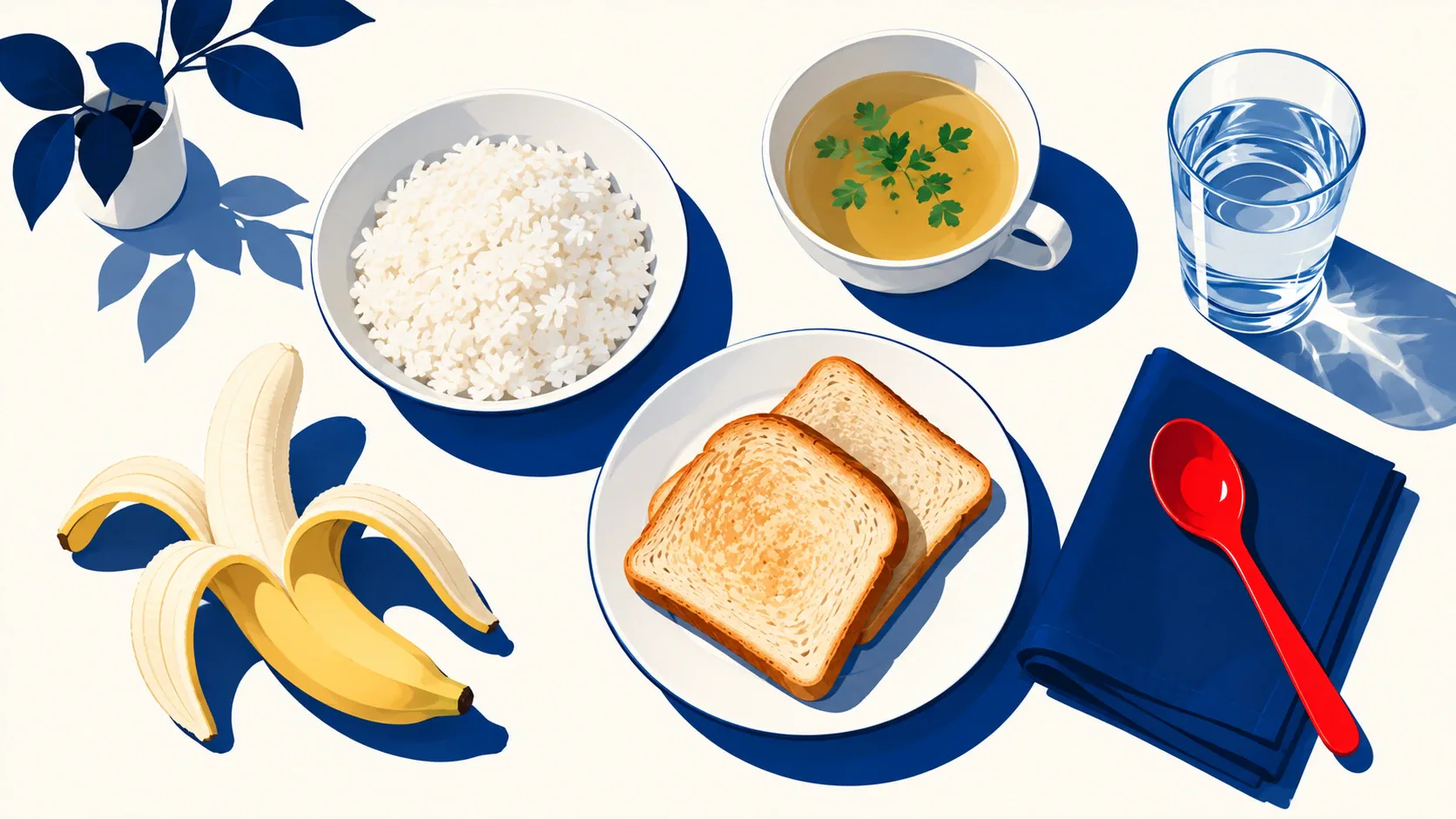
The GLP‑1 consensus recommends bland, low-fat food, baked, grilled or boiled, in smaller, more frequent meals, and for diarrhea it names chicken broth, rice, carrots and very ripe fruit without skin (Gorgojo-Martínez, 2023). The other foods in the table are our examples of that advice.
| Food group | Examples |
|---|---|
| Starches | White rice, plain pasta, white toast, potato without skin, plain crackers |
| Protein | Eggs, skinless chicken, white fish, tofu |
| Fruit and vegetables | Cooked carrots, ripe banana, very ripe fruit without skin |
| Fluids | Water, chicken broth, oral rehydration solution |
Keep protein in each small meal on the bad days too, since your daily protein target still applies while you recover. If solid food is hard, a protein shake made without sugar alcohols or milk is one way in.
What to avoid while it lasts
Between them, NIDDK’s list for acute diarrhea and the GLP‑1 consensus rule these out for now (NIDDK, eating and diet for diarrhea; Gorgojo-Martínez, 2023):
- alcohol
- caffeine in coffee, tea and some soft drinks
- fried and high-fat food, such as pizza and fast food
- large amounts of simple sugars, in sweetened drinks, some fruit juices, candy and packaged desserts
- sugar alcohols, in sugar-free gum and candy
- milk and other dairy that contains lactose
- spicy food
- high-fiber foods for now: whole-grain bread and cereals, nuts, seeds, beans, lentils, cabbage, cauliflower and fruit with skins
Some people have trouble digesting lactose for up to a month or more after acute diarrhea, so dairy can wait longer. NIDDK also says most experts do not recommend a stricter diet than this, or fasting.
Sugar alcohols in protein bars and sugar-free snacks
Sugar alcohols are sweeteners whose names end in "-ol". While GLP‑1 diarrhea lasts, avoid sorbitol, mannitol, xylitol and maltitol, including in candy and gum (Gorgojo-Martínez, 2023). Some liquid medicines contain them as well (NIDDK, symptoms and causes of diarrhea). Check the ingredient list of protein bars, "keto" snacks and sugar-free syrups for words ending in "-ol".
In the US, a food that could lead someone to eat 50 g of sorbitol a day has to carry a laxative warning on its label (21 CFR 184.1835). For mannitol the threshold is 20 g a day (21 CFR 180.25). In the UK, any food with more than 10% added polyols must say "excessive consumption may produce laxative effects" (Regulation 1169/2011, Annex III).
If you eat protein bars most days and have diarrhea you cannot explain, swap them for whole-food protein for a few days, changing nothing else, before blaming the medication.
How much to drink
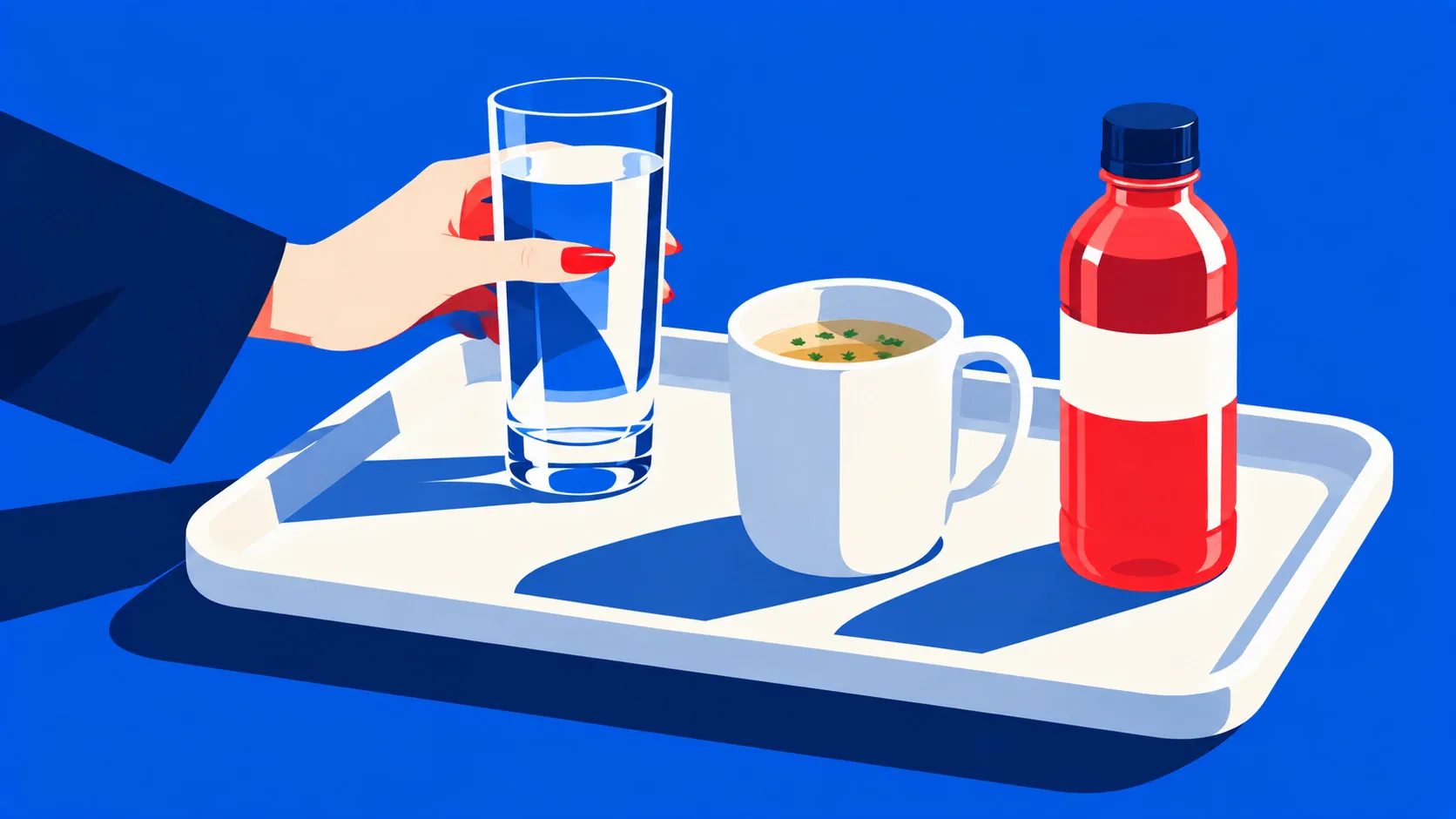
A 2025 consensus on nutrition with GLP‑1 drugs says "Hydration with > 2 L of fluid intake per day is necessary" and calls hydration "particularly important" with diarrhea (Sievenpiper et al., 2025). Work out a daily target from your body weight with the water intake calculator, and drink beyond it while you are still losing fluid.
Replace salts as well as water, with broth or an oral rehydration solution (NIDDK, treatment of diarrhea). Older adults and people with diabetes, kidney disease or a weak immune system should check with their doctor before using an oral rehydration solution, NIDDK advises, because they may need a specific one.
Fluid loss can hurt the kidneys. Since Ozempic’s approval, acute kidney injury has been reported in people taking semaglutide, the majority of them dehydrated by nausea, vomiting or diarrhea (Ozempic label, section 5.6). Losing salts is a risk too, and older people may be more susceptible to both, according to the UK Summary of Product Characteristics (SmPC) for Mounjaro (section 4.4).
If you also take metformin, its Medication Guide counts dehydration from vomiting or diarrhea as a risk for lactic acidosis (Glucophage Medication Guide). It calls lactic acidosis rare but serious, and a medical emergency.
When diarrhea needs a doctor right away
NIDDK advises adults to talk with a doctor right away for any of these (NIDDK, symptoms and causes of diarrhea):
- frequent vomiting
- severe pain in the abdomen or rectum
- stools that are black and tarry, or that contain red blood or pus
- signs of dehydration
- a change in mental state, such as irritability or a lack of energy
- diarrhea that lasts more than 2 days
- a high fever, or six or more loose stools a day
Dehydration shows as extreme thirst or a dry mouth, urinating less than usual, dark urine, and feeling tired, dizzy or lightheaded. Severe stomach pain that will not go away, sometimes felt through to the back, needs the same urgency on a GLP‑1. Acute pancreatitis is a warning on each label, and the drug should be stopped if it is suspected (Ozempic label, section 5.2).
How long Ozempic diarrhea lasts
In the STEP 1 to 3 trials of semaglutide 2.4 mg, the Wegovy dose, a diarrhea episode lasted a median of 3 days (Wharton, 2022). Diarrhea starts during the first 4 weeks of treatment, after which new cases notably decrease, according to the GLP‑1 consensus (Gorgojo-Martínez, 2023).
The Ozempic, Mounjaro and Zepbound labels put the majority of their nausea, vomiting and diarrhea reports in the weeks the dose was being raised (Ozempic, Mounjaro and Zepbound labels, section 6.1). The Wegovy trials showed the same (Wharton, 2022), so each step up can bring diarrhea back. Nausea and vomiting come in those weeks too, and the drug level itself peaks in the days after each shot.
If it keeps going despite the food and fluid steps, tell your healthcare provider as soon as possible (Gorgojo-Martínez, 2023). One worked case in the consensus is a 76-year-old man with kidney disease, on insulin. Two weeks after stepping up from 0.25 to 0.5 mg, he had diarrhea 4 to 5 times a day. The advice was to go back to 0.25 mg for a month, then return to 0.5 mg, with loperamide if it came back (Gorgojo-Martínez, 2023).
Bringing foods and fiber back
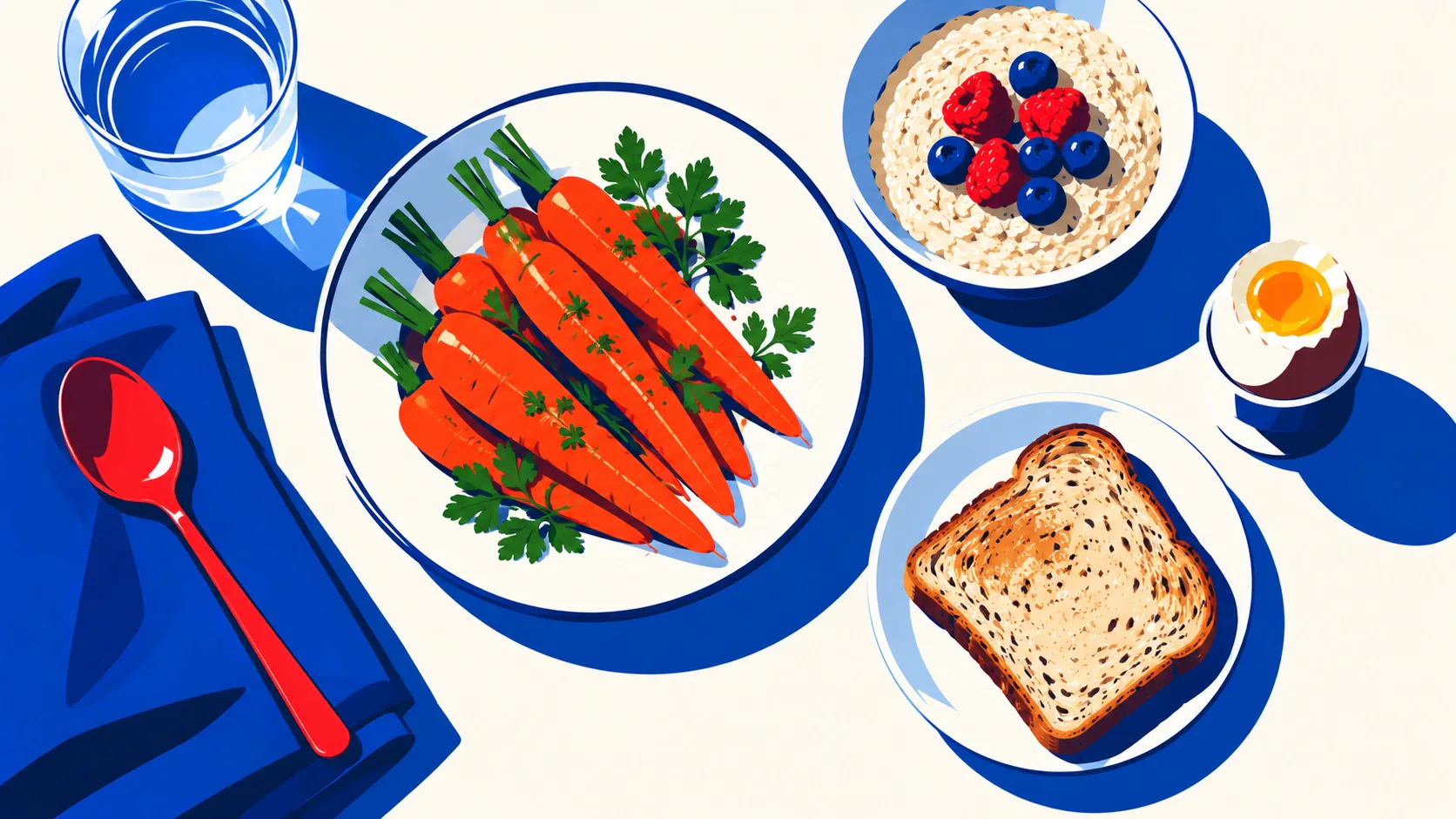
When your appetite returns, you can most often go back to your normal diet, even while the diarrhea is still settling, minus the foods that make it worse (NIDDK, treatment of diarrhea). Add the foods you left out one at a time and note how you react. A food diary can show which foods or meal times make symptoms worse (Gorgojo-Martínez, 2023), and NIDDK suggests one when diarrhea turns chronic (NIDDK, eating and diet for diarrhea).
Bring fiber back gradually once symptoms improve (Gorgojo-Martínez, 2023). Use the fiber calculator to set a daily target from your calorie intake, and build toward it over days. Soluble fiber is found in psyllium, oat bran, barley and beans, and insoluble fiber in wheat bran, whole grains and some vegetables. For the overall symptoms of irritable bowel syndrome, the American College of Gastroenterology suggests soluble, but not insoluble, fiber (ACG clinical guideline, 2021).
While meals stay small, spread protein across several small portions instead of saving it for one plate.
Constipation is the other common bowel effect, at 24% on Wegovy against 11% on placebo (Wegovy label, section 6.1). If you swing between the two, the advice differs for each (Gorgojo-Martínez, 2023).
| What to adjust | During diarrhea | During constipation |
|---|---|---|
| Fiber | Cut back on high-fiber foods for now | Make sure you get enough |
| Fluids | Replace losses with water, broth or oral rehydration solution | Drink generous amounts of water |
| Activity | Light activity | More physical activity |
Is it the GLP‑1?
Check what else changed before blaming the medication:
- Metformin. Its label reports diarrhea in 53% of people on immediate-release tablets against 12% on placebo, and 10% against 3% on extended-release (Glucophage prescribing information, section 6.1). A GLP‑1 can make metformin diarrhea worse, especially alongside omeprazole, and a lower metformin dose may help (Gorgojo-Martínez, 2023).
- Magnesium, from supplements or magnesium antacids, which can cause diarrhea at high intakes. The adult upper limit for magnesium from supplements and medicines is 350 mg a day (NIH Office of Dietary Supplements, magnesium).
- Antibiotics, recent or current, which NIDDK lists among the medicines that cause acute diarrhea.
- A new protein powder or shake, through sugar alcohols or lactose.
- A stomach bug. Viral gastroenteritis and food poisoning are among the commonest causes of acute diarrhea, and some infections also bring bloody stools, fever and chills (NIDDK, symptoms and causes of diarrhea).
The labels place GLP‑1 diarrhea mainly in the weeks after a dose increase, so check when yours began against your dose history. Log your shots in Pensday and you can see the date of your last step up.
Each label counts diarrhea within its own placebo-controlled trials, and the labels warn that one drug’s rates cannot be compared directly with another’s. US figures come from each label’s section 6.1 (Ozempic, Wegovy, Mounjaro, Zepbound); the UK row is from section 4.8 of the Mounjaro SmPC.
| Medicine and trials | Diarrhea (%) | Placebo (%) |
|---|---|---|
| Ozempic 0.5–1 mg, diabetes | 8.5–8.8 | 1.9 |
| Wegovy 2.4 mg, weight loss | 30 | 16 |
| Mounjaro 5–15 mg, diabetes | 12–17 | 9 |
| Zepbound 5–15 mg, weight loss | 19–23 | 8 |
| Mounjaro 5–15 mg, UK weight trials | 18.7–22.5 | 7.8 |
Questions
Frequently asked questions
Can I take Imodium for Ozempic diarrhea?
The GLP‑1 consensus lists loperamide, the drug in Imodium, as an option when diarrhea persists despite diet and fluid changes (Gorgojo-Martínez, 2023). Its Drug Facts label says not to use it with bloody or black stool. Ask a doctor first if you have a fever or take any prescription drug, your GLP‑1 included (loperamide Drug Facts).
Can probiotics help with Ozempic diarrhea?
The GLP‑1 consensus says probiotic supplements "could be considered" when diarrhea persists, and names no product or dose (Gorgojo-Martínez, 2023). Many doctors and professional societies do not think the evidence supports probiotics for diarrhea, according to NIDDK, which says to talk with your doctor before trying them (NIDDK, treatment of diarrhea).
Is diarrhea more common on Mounjaro than on Ozempic?
Both sit above placebo within their own trials: Mounjaro’s diabetes trials showed 12 to 17% against 9%, and Ozempic’s 8.5 to 8.8% against 1.9% (Mounjaro label, section 6.1; Ozempic label, section 6.1). Different trials sit behind each figure, so neither label ranks the two.
Should I skip my Ozempic dose while I have diarrhea?
The Ozempic label has no rule for skipping a dose because of diarrhea. It asks you to guard against fluid loss, and a missed dose can still be taken within 5 days (Ozempic label, sections 2.1 and 17). Ask your prescriber before holding one; in its worked case, the consensus stepped the dose back rather than stopping it.
Sources
- Ozempic (semaglutide) injection, prescribing information. Novo Nordisk, 2026.
- Wegovy (semaglutide) injection and tablets, prescribing information. Novo Nordisk, 2026.
- Mounjaro (tirzepatide) injection, prescribing information. Eli Lilly and Company, 2026.
- Zepbound (tirzepatide) injection, prescribing information. Eli Lilly and Company, 2026.
- Mounjaro KwikPen solution for injection in pre-filled pen, Summary of Product Characteristics. Eli Lilly and Company Limited, 2026.
- Gastrointestinal tolerability of once-weekly semaglutide 2.4 mg in adults with overweight or obesity, and the relationship between gastrointestinal adverse events and weight loss. Diabetes, Obesity and Metabolism, 2022.
- Clinical recommendations to manage gastrointestinal adverse events in patients treated with GLP‑1 receptor agonists: a multidisciplinary expert consensus. Journal of Clinical Medicine, 2023.
- Nutritional and lifestyle supportive care recommendations for management of obesity with GLP‑1-based therapies: an expert consensus statement using a modified Delphi approach. Obesity Pillars, 2025.
- Eating, diet and nutrition for diarrhea. National Institute of Diabetes and Digestive and Kidney Diseases, 2024.
- Symptoms and causes of diarrhea. National Institute of Diabetes and Digestive and Kidney Diseases, 2024.
- Treatment of diarrhea. National Institute of Diabetes and Digestive and Kidney Diseases, 2024.
- 21 CFR 184.1835, sorbitol. US Food and Drug Administration, eCFR, 2026.
- 21 CFR 180.25, mannitol. US Food and Drug Administration, eCFR, 2026.
- Regulation (EU) No 1169/2011 on the provision of food information to consumers, Annex III. legislation.gov.uk, 2011.
- ACG clinical guideline: management of irritable bowel syndrome. American Journal of Gastroenterology, 2021.
- Glucophage and Glucophage XR (metformin hydrochloride), prescribing information and Medication Guide. Bristol-Myers Squibb Company, 2019.
- Loperamide hydrochloride 2 mg tablets, Drug Facts. Advanced Rx LLC, 2024.
- Magnesium fact sheet for consumers. NIH Office of Dietary Supplements, 2021.