
Side effects · Protein and nutrition
Ozempic Dehydration Signs, Electrolytes and the Kidney Warning
Ozempic dehydration comes from vomiting, diarrhea and eating less. In Wegovy trials, kidney injury was 0.4 cases per 100 patient years vs 0.2 on placebo.
Medically reviewed by Farnia Bahari, PharmD
Published 10 min read
Ozempic dehydration comes from vomiting, diarrhea and eating less, and in Wegovy trials of the same drug, semaglutide, acute kidney injury was reported at 0.4 cases per 100 patient years against 0.2 on placebo (Wegovy prescribing information, section 6.1). Keep your pee pale, put back lost salts on days you are vomiting or have diarrhea, and get urgent help for dizziness on standing that does not pass (NHS, dehydration).

Key facts
- In the Zepbound weight trials, acute kidney injury was reported in 0.5% of adults against 0.2% on placebo, and in the Foundayo trials in 0.2% against 0.05% (Zepbound prescribing information, section 6.1; Foundayo prescribing information, section 6.1).
- Vomiting was reported in 24% of adults on Wegovy injection 2.4 mg against 6% on placebo, and in 9.2% on Ozempic 1 mg against 2.3% (Wegovy prescribing information, section 6.1; Ozempic prescribing information, section 6.1).
- Food supplied 0.7 L of water a day for men and 0.5 L for women in US survey data of adults aged 19 to 30 (Institute of Medicine, water).
- WHO’s oral rehydration salts hold 75 mmol of sodium and 20 mmol of potassium per liter, to replace what vomiting and diarrhea take (WHO, oral rehydration salts).
- Ozempic 1 mg cut serious kidney decline, kidney failure or death from kidney or heart causes to 18.7% from 23.2% on placebo in FLOW, a trial in type 2 diabetes with chronic kidney disease (Ozempic prescribing information, section 14.3).
Why does Ozempic cause dehydration?
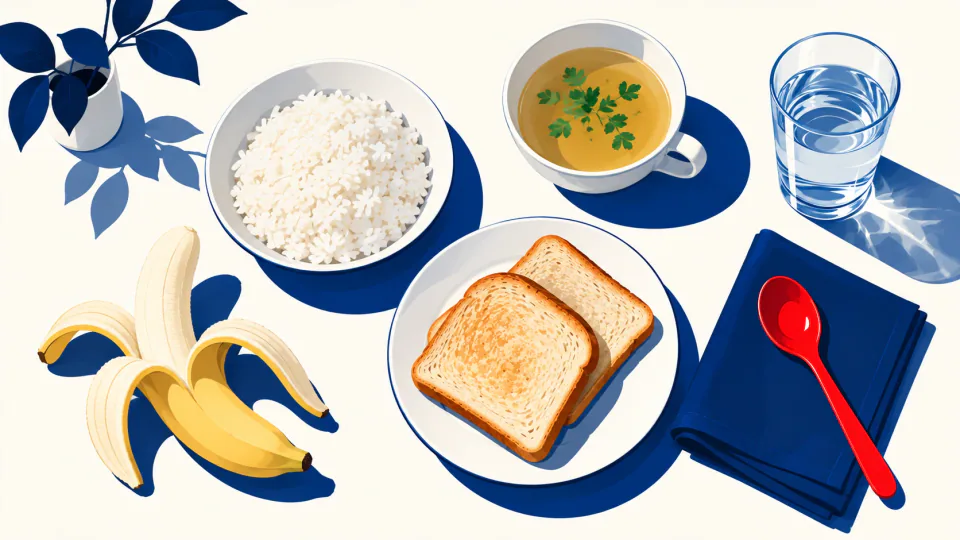
Ozempic can dehydrate you through its stomach side effects, and its label says most reported kidney injury cases followed "gastrointestinal reactions leading to dehydration such as nausea, vomiting, or diarrhea" (Ozempic prescribing information, section 5.6). Nausea also makes it hard to drink, so the NHS advice is to start with small sips and build up (NHS, dehydration). When nausea puts you off food too, pick from the list of foods to eat with GLP‑1 nausea.
These vomiting and diarrhea rates come from type 2 diabetes trials for Ozempic and Mounjaro and from weight-loss trials for the other three, so the rows do not rank the drugs (Ozempic, Wegovy, Mounjaro, Zepbound and Foundayo prescribing information, section 6.1).
| Drug and dose (mg) | Vomiting, drug vs placebo (%) | Diarrhea, drug vs placebo (%) |
|---|---|---|
| Ozempic 1 | 9.2 vs 2.3 | 8.8 vs 1.9 |
| Wegovy injection 2.4 | 24 vs 6 | 30 vs 16 |
| Mounjaro 15 | 9 vs 2 | 17 vs 9 |
| Zepbound 15 | 13 vs 2 | 23 vs 8 |
| Foundayo 17.2 | 24 vs 4 | 25 vs 11 |
On Mounjaro, "The majority of reports of nausea, vomiting, and/or diarrhea occurred during dose escalation and decreased over time" (Mounjaro prescribing information, section 6.1).
Eating less also cuts the water you get from food. US survey data put food at 19% of total water intake for adults aged 19 to 30, or 0.7 L a day for men and 0.5 L for women (Institute of Medicine, water). Semaglutide lowered the energy eaten at 3 consecutive free-choice meals by 18 to 35% against placebo (Ozempic SmPC, section 5.1).
EFSA’s adequate intakes for adults, 2.0 L a day for women and 2.5 L for men, count the water in food as well as drinks (EFSA dietary reference values). The water intake calculator turns your body weight into a daily drinking target and explains why weeks of small meals need more from drinks.
How often does dehydration lead to kidney injury on a GLP‑1?
In the Zepbound weight trials, acute kidney injury was reported in 0.5% of adults against 0.2% on placebo, and the label adds postmarketing reports of cases, some needing hemodialysis (Zepbound prescribing information, sections 5.3 and 6.1). These rates count all kidney injury, and only some of the Wegovy trial cases came with stomach side effects or dehydration (Wegovy prescribing information, section 6.1). Every current US label carries the same warning, and three give a trial rate (Ozempic, section 5.6; Wegovy, sections 5.5 and 6.1; Mounjaro, section 5.5; Foundayo, sections 5.4 and 6.1).
| Drug and US label section | Acute kidney injury reported | Placebo |
|---|---|---|
| Ozempic, section 5.6 | Postmarketing reports, no trial rate given | No rate given |
| Wegovy injection and tablets, section 5.5 | 0.4 cases per 100 patient years (7 adults) | 0.2 cases per 100 patient years (4 adults) |
| Mounjaro, section 5.5 | Postmarketing reports, no trial rate given | No rate given |
| Zepbound, section 5.3 | 0.5% of adults | 0.2% |
| Foundayo, section 5.4 | 0.2% of adults | 0.05% |
Wegovy counts cases per 100 patient years and Zepbound and Foundayo count the share of adults, so compare each drug with its own placebo (Wegovy prescribing information, section 6.1). The Ozempic label tells prescribers to "Advise patients to take precautions to avoid fluid depletion" (Ozempic prescribing information, section 17).
In the UK, Mounjaro’s SmPC says dehydration "could lead to a deterioration in renal function including acute renal failure" (Mounjaro SmPC, section 4.4). The Wegovy and Ozempic SmPCs say it "in rare cases can lead to a deterioration of renal function" (Wegovy SmPC, section 4.4; Ozempic SmPC, section 4.4).
In the Wegovy trials, kidney side effects were more frequent in people with a history of kidney impairment and during dose titration (Wegovy prescribing information, section 6.1). The NHS says acute kidney injury is more common from age 65 and after a previous episode, and lists long-term use of ACE inhibitors, anti-inflammatory medicines (NSAIDs) and diuretics among its causes (NHS, acute kidney injury). Diabetes also makes dehydration more likely (NHS, dehydration).
Is Ozempic bad for your kidneys?
In adults with type 2 diabetes and chronic kidney disease, Ozempic is approved "to reduce the risk of sustained eGFR decline, end-stage kidney disease, and cardiovascular death" (Ozempic prescribing information, section 1). Its kidney warning ties most reported kidney injury to fluid lost through vomiting and diarrhea (Ozempic prescribing information, section 5.6).
The approval rests on FLOW, which followed 3,533 adults with type 2 diabetes and chronic kidney disease on Ozempic 1 mg weekly or placebo for a median of 41 months (Ozempic prescribing information, section 14.3). Its main outcome combined a sustained fall in eGFR of 50% or more, a sustained eGFR below 15, long-term kidney replacement therapy such as dialysis, and death from kidney or cardiovascular causes (Ozempic prescribing information, section 14.3). That outcome occurred in 18.7% on Ozempic against 23.2% on placebo, a measure of kidney disease getting worse rather than of acute kidney injury (Ozempic prescribing information, section 14.3).
Zepbound needs no dose change for kidney impairment, even end-stage kidney disease, but its label still asks for kidney checks when side effects could deplete fluid (Zepbound prescribing information, section 8.6).
What are the signs of dehydration on Ozempic or Mounjaro?
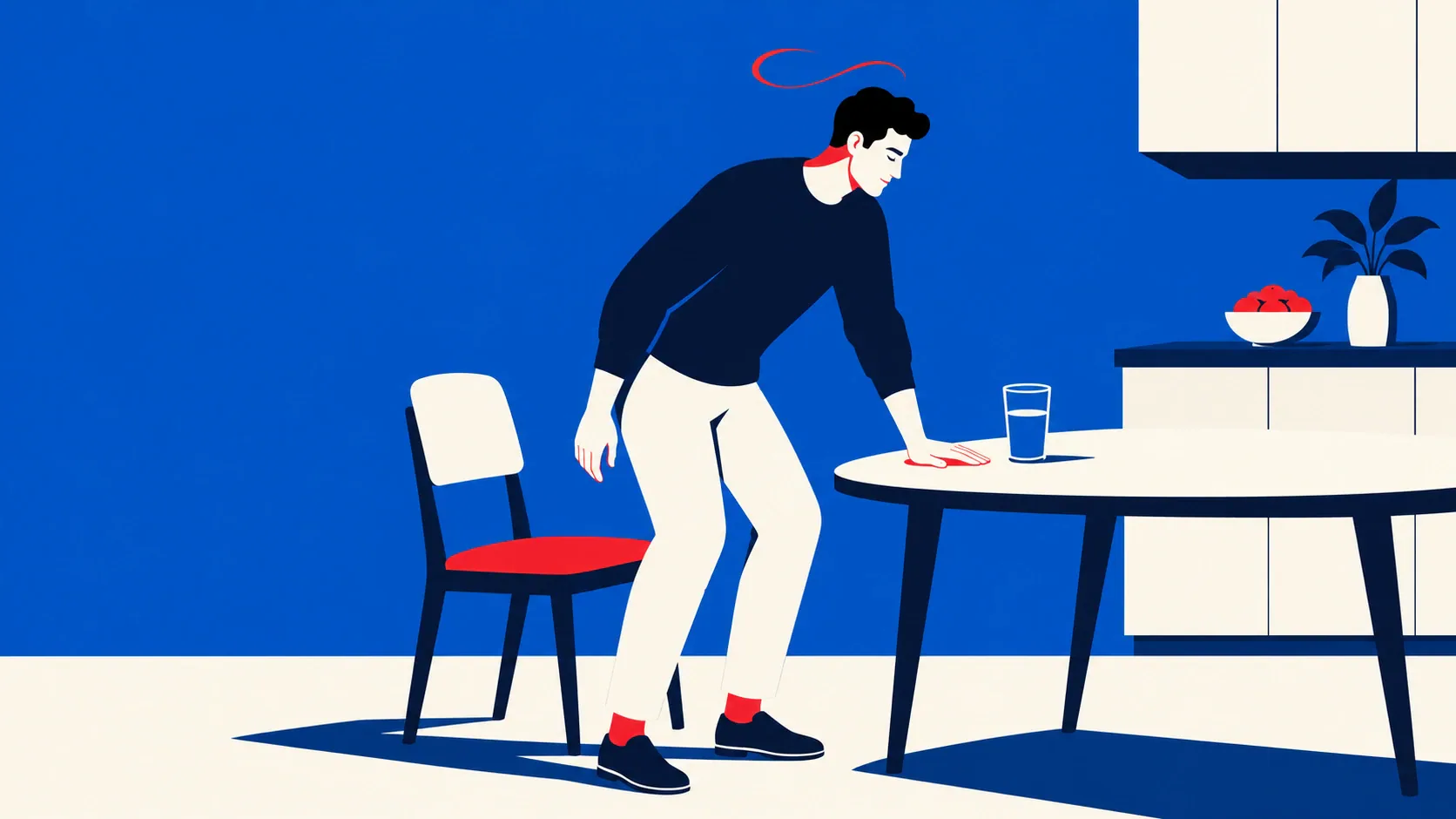
The NHS lists thirst, dark yellow strong-smelling pee, peeing less often than usual, a dry mouth, lips and tongue, sunken eyes, headache, feeling dizzy or light-headed, and tiredness (NHS, dehydration).
Headache, tiredness and dizziness are also side effects of the drugs, reported with Wegovy injection 2.4 mg in 14%, 11% and 8% of adults against 10%, 5% and 4% on placebo (Wegovy prescribing information, section 6.1). Tiredness was reported in 7% on Zepbound 15 mg against 3% on placebo, and dizziness in 4% against 2% (Zepbound prescribing information, section 6.1). The Ozempic label lists fatigue and dizziness among other reactions and headache among postmarketing reports (Ozempic prescribing information, sections 6.1 and 6.2).
Thirst, dark yellow pee and peeing less are not listed side effects on any of the five US labels, so they point to fluid more clearly than a headache or tiredness (Ozempic prescribing information). A dry mouth is listed only on the Zepbound label, in 1% of adults against 0.1% on placebo (Zepbound prescribing information, section 6.1). Aim for pee that is pale (NHS, dehydration).
Dizziness when you stand up can also be low blood pressure, called postural hypotension (NHS, low blood pressure). Low blood pressure reactions were reported in 1.3% of adults on Wegovy against 0.4% on placebo, some tied to stomach side effects and fluid loss (Wegovy prescribing information, section 6.1). Zepbound’s label puts low blood pressure at 1.6% against 0.1% on placebo (Zepbound prescribing information, section 6.1).
Which electrolytes do vomiting and diarrhea take?
Vomiting and diarrhea drain sodium and potassium along with water, which is why oral rehydration salts replace both (WHO, oral rehydration salts). The UK Mounjaro SmPC asks patients to "take precautions to avoid fluid depletion and electrolyte disturbances", a point that "should particularly be considered in the elderly" (Mounjaro SmPC, section 4.4).
Low potassium can show up as muscle weakness or spasms, palpitations, tiredness, constipation or tingling, and diarrhea, vomiting, diuretics and sweating are among its common causes (MedlinePlus, low blood potassium). A large drop can cause abnormal heart rhythms that make you light-headed or faint, and a blood test checks the level (MedlinePlus, low blood potassium).
Do you need electrolyte drinks on Ozempic or Mounjaro?
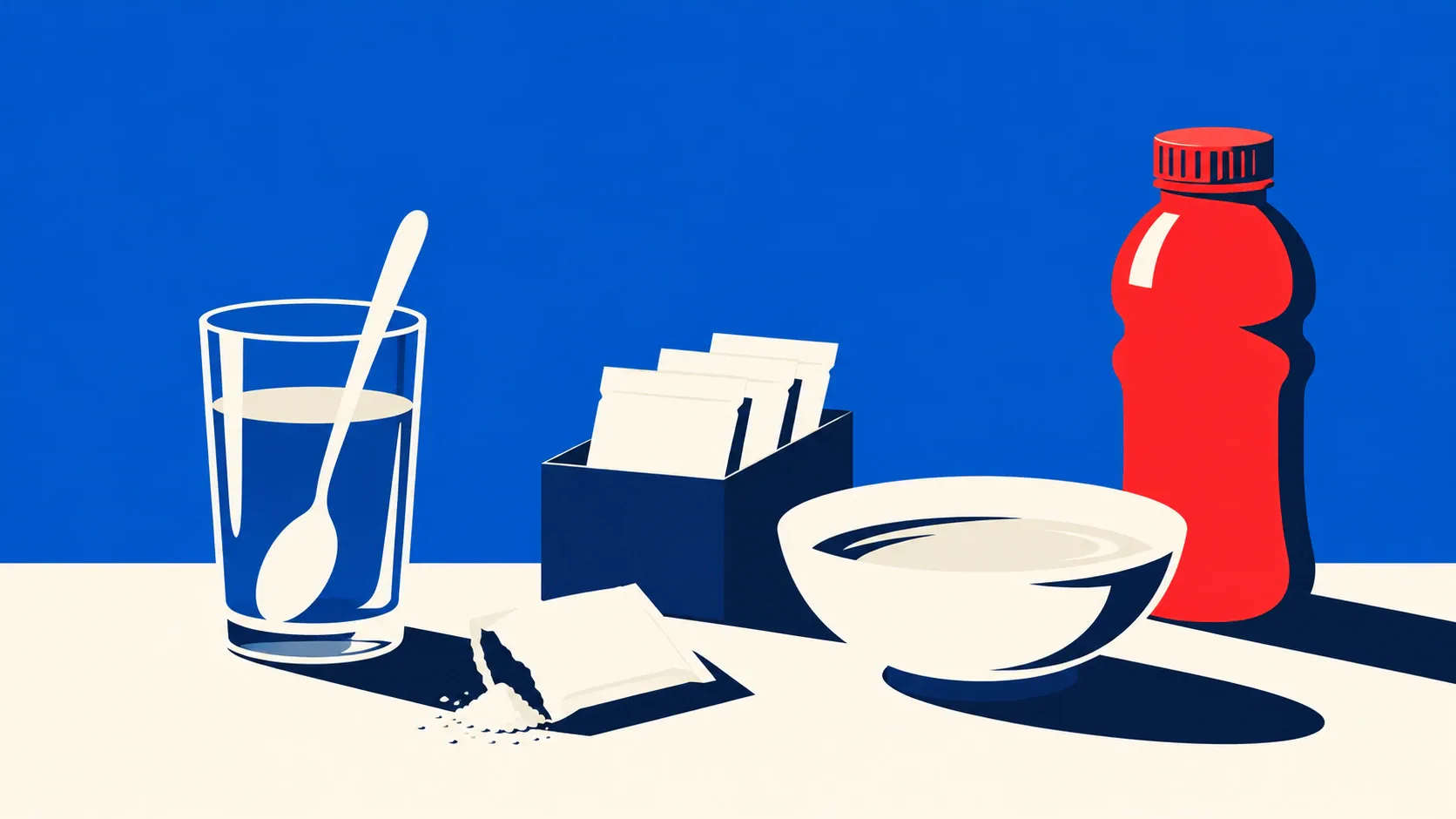
On an ordinary day the labels ask only for fluids, and none of the five Medication Guides names an amount or mentions electrolytes (Ozempic Medication Guide).
When you are vomiting or have diarrhea, the NHS says to put back the sugar, salts and minerals you have lost, and a pharmacist can recommend an oral rehydration solution (NHS, dehydration). Older adults and people with diabetes, kidney disease or a weak immune system should talk with their doctor first, because a specific solution or amount may work best for them (NIDDK, treatment for diarrhea).
WHO’s standard formula holds 75 mmol of sodium, 20 mmol of potassium and 75 mmol of glucose per liter, and the glucose helps the gut absorb sodium and, with it, water (WHO, oral rehydration salts). NIDDK also lists broths and sports drinks among the liquids to drink with diarrhea (NIDDK, treatment for diarrhea).
For how much to drink through a bout of diarrhea, and whether to skip that week’s dose, follow what to eat and drink with Ozempic diarrhea.
When does dehydration on a GLP‑1 need urgent help?
Tell your prescriber right away about nausea, vomiting or diarrhea that does not go away, as all five Medication Guides instruct (Ozempic Medication Guide). In the UK, the NHS advises an urgent GP appointment or NHS 111 for any of these (NHS, dehydration):
- dizziness when you stand up that does not go away
- dark yellow pee, or peeing less than normal
- feeling unusually tired
- breathing quickly, or a fast heart rate
In the UK, call 999 or go to A&E if dehydration comes with confusion, cold skin or difficulty breathing (NHS, dehydration). Blue, gray, pale or blotchy skin or lips, or being sleepier than normal or hard to wake, can be signs of shock and need the same response (NHS, dehydration). In the US, the urgent signs mean calling your prescriber that day or going to urgent care, and the signs of shock mean calling emergency services or going to the ER.
Mild acute kidney injury often causes no symptoms and is found with a blood test for creatinine (NHS, acute kidney injury). When it does, the NHS lists peeing a lot less than usual, feeling very thirsty, swollen feet or legs, confusion or sleepiness, and breathlessness when lying down (NHS, acute kidney injury). The Ozempic label asks prescribers to check kidney function when side effects could deplete fluid, so after days of vomiting or diarrhea, ask for that blood test (Ozempic prescribing information, section 5.6).
When are you most likely to get dehydrated on a GLP‑1?
The first weeks and the weeks after each dose increase carry the most risk, and the Ozempic label asks for kidney checks "especially during dosage initiation and escalation" (Ozempic prescribing information, section 5.6).
Hot weather, sweating after exercise and a stomach bug add to the losses (NHS, dehydration). The NHS Eatwell advice of 6 to 8 cups or glasses of fluid a day goes up in a hot environment (NHS, water, drinks and hydration).
Date your step-up weeks with the dose titration planner, and read side effects after an Ozempic dose increase before the next one.
A dated record shows which days after a shot or a step-up bring nausea or diarrhea, and how much you drank on those days. In Pensday you log each dose, your water and symptoms such as nausea, diarrhea, headache and fatigue in the free tier, and you can show that record to your prescriber before the next increase.
Questions
Frequently asked questions
Is a headache on Ozempic a sign of dehydration?
It can be, because headache is on the NHS list of dehydration symptoms, and a headache with dark yellow pee or peeing less points to fluid (NHS, dehydration). Headache is also a side effect of semaglutide, reported in 14% of adults on Wegovy injection 2.4 mg against 10% on placebo (Wegovy prescribing information, section 6.1). If you take Zepbound, check a headache against the Zepbound side effects in the first week.
Can Ozempic or Wegovy cause kidney stones?
Urinary stones were reported in 1.2% of people on Wegovy, which is semaglutide like Ozempic, against 0.8% on placebo in its heart outcomes trial, with serious cases in 0.6% against 0.4% (Wegovy prescribing information, section 6.1). The label reports all urinary stones together (Wegovy prescribing information, section 6.1), and the NHS says not drinking enough water makes kidney stones more likely (NHS, kidney stones).
Do blood pressure tablets or water pills raise the kidney risk on a GLP‑1?
They can. Low blood pressure was reported in 2.2% of Zepbound users who also took blood pressure medicines against 1.2% of those who did not (Zepbound prescribing information, section 6.1). Diuretics make dehydration more likely, and the NHS lists long-term use of ACE inhibitors and diuretics among the causes of acute kidney injury (NHS, dehydration; NHS, acute kidney injury).
Does the Wegovy pill carry the same dehydration warning?
Yes. The US Wegovy label covers both the injection and the tablets, so its section 5.5 warning about acute kidney injury after dehydration, with some cases needing hemodialysis, applies to the pill too (Wegovy prescribing information, section 5.5). Whichever form you take, tell your healthcare provider right away about nausea, vomiting or diarrhea that does not go away (Wegovy Medication Guide).
Sources
- Wegovy (semaglutide) injection and tablets, prescribing information. Novo Nordisk, 2026.
- Dehydration. NHS, 2026.
- Zepbound (tirzepatide) injection, prescribing information. Eli Lilly and Company, 2026.
- Foundayo (orforglipron) tablets, prescribing information. Eli Lilly and Company, 2026.
- Ozempic (semaglutide) injection, prescribing information. Novo Nordisk, 2026.
- Dietary Reference Intakes for Water, Potassium, Sodium, Chloride, and Sulfate. Institute of Medicine, National Academies Press, 2005.
- Oral rehydration salts, production of the new ORS. World Health Organization, 2006.
- Mounjaro (tirzepatide) injection, prescribing information. Eli Lilly and Company, 2026.
- Ozempic, Summary of Product Characteristics. Novo Nordisk Limited, 2026.
- Dietary reference values for nutrients, summary report. European Food Safety Authority, 2017.
- Mounjaro KwikPen, Summary of Product Characteristics. Eli Lilly and Company Limited, 2026.
- Wegovy, Summary of Product Characteristics. Novo Nordisk Limited, 2026.
- Acute kidney injury (AKI). NHS, 2026.
- Low blood pressure (hypotension). NHS, 2023.
- Low blood potassium. MedlinePlus, 2025.
- Treatment for diarrhea. NIDDK, 2024.
- Water, drinks and hydration. NHS, 2023.
- Kidney stones. NHS, 2026.