
Coming off
Ozempic Rebound Weight Gain in the Year After Stopping
In three trials, half to two-thirds of the weight lost came back within a year of stopping semaglutide (Ozempic), and the averages stayed below the start.
Medically reviewed by Farnia Bahari, PharmD
Published 7 min read
Half to two-thirds of the lost weight came back within a year in the three trials that stopped semaglutide (the drug in Ozempic) or tirzepatide. On average, people were still 5.6% below their starting weight in STEP 1’s extension, 5.0% in STEP 4 and 9.9% in SURMOUNT-4 (Wilding et al., 2022; Rubino et al., 2021; Aronne et al., 2024).

Key facts
- Weight returned at about 0.8 kg (1.8 lb) a month after semaglutide or tirzepatide, reaching the starting weight in a projected 1.5 years (West et al., 2026).
- The semaglutide stopping trials used 2.4 mg, a Wegovy dose; Ozempic’s highest weekly dose is 2 mg (Ozempic prescribing information, section 2.2).
- After a step down to tirzepatide 5 mg, 25% regained at least half their loss and received rescue treatment, against 67% of those switched to placebo (Horn et al., 2026).
How much weight comes back after stopping?
About two-thirds of the lost weight came back within a year in STEP 1’s extension, and about half in STEP 4 and SURMOUNT-4. All three followed people for 48 to 52 weeks after the last dose (Wilding et al., 2022; Rubino et al., 2021; Aronne et al., 2024). Each reports the change from the first day of treatment, which puts all three on one measure.
| Trial and drug | Lost on the drug (%) | Still below the start (%) |
|---|---|---|
| STEP 1 extension, semaglutide 2.4 mg | 17.3 by week 68 | 5.6 at week 120 |
| STEP 4, semaglutide 2.4 mg | 10.6 by week 20 | 5.0 at week 68 |
| SURMOUNT-4, tirzepatide 10 or 15 mg | 20.9 by week 36 | 9.9 at week 88 |
The share that came back is the loss minus what was still off, divided by the loss. STEP 1’s extension reports 11.6 of the 17.3 percentage points regained, about two-thirds; for STEP 4, (10.6 − 5.0) ÷ 10.6 ≈ 0.53, and for SURMOUNT-4, (20.9 − 9.9) ÷ 20.9 ≈ 0.53.
People kept on the drug went on losing, a further 7.9% in STEP 4 and 5.5% in SURMOUNT-4 (Rubino et al., 2021; Aronne et al., 2024). STEP 1’s extension had no such group.
Both semaglutide trials used 2.4 mg, which is a Wegovy dose, while the Ozempic dose ladder stops at 2 mg a week (Ozempic prescribing information, section 2.2). Neither trial stopped people who were taking an Ozempic dose.
STEP 1’s extension ended the trial’s diet and activity counseling at the same time as the drug (Wilding et al., 2022). STEP 4 and SURMOUNT-4 kept counseling both groups to the end (Rubino et al., 2021; Aronne et al., 2024).
Do you gain weight back after Mounjaro or Zepbound?
Yes, and on a similar scale to semaglutide. Mounjaro and Zepbound are both tirzepatide. In SURMOUNT-4, people switched to placebo after 36 weeks on 10 or 15 mg saw their weight rise 14.0% over the next 52 weeks (Aronne et al., 2024). By week 88, 16.6% of them still held at least 80% of the weight lost in those first 36 weeks, against 89.5% of those kept on tirzepatide (Aronne et al., 2024).
How fast does the weight come back?
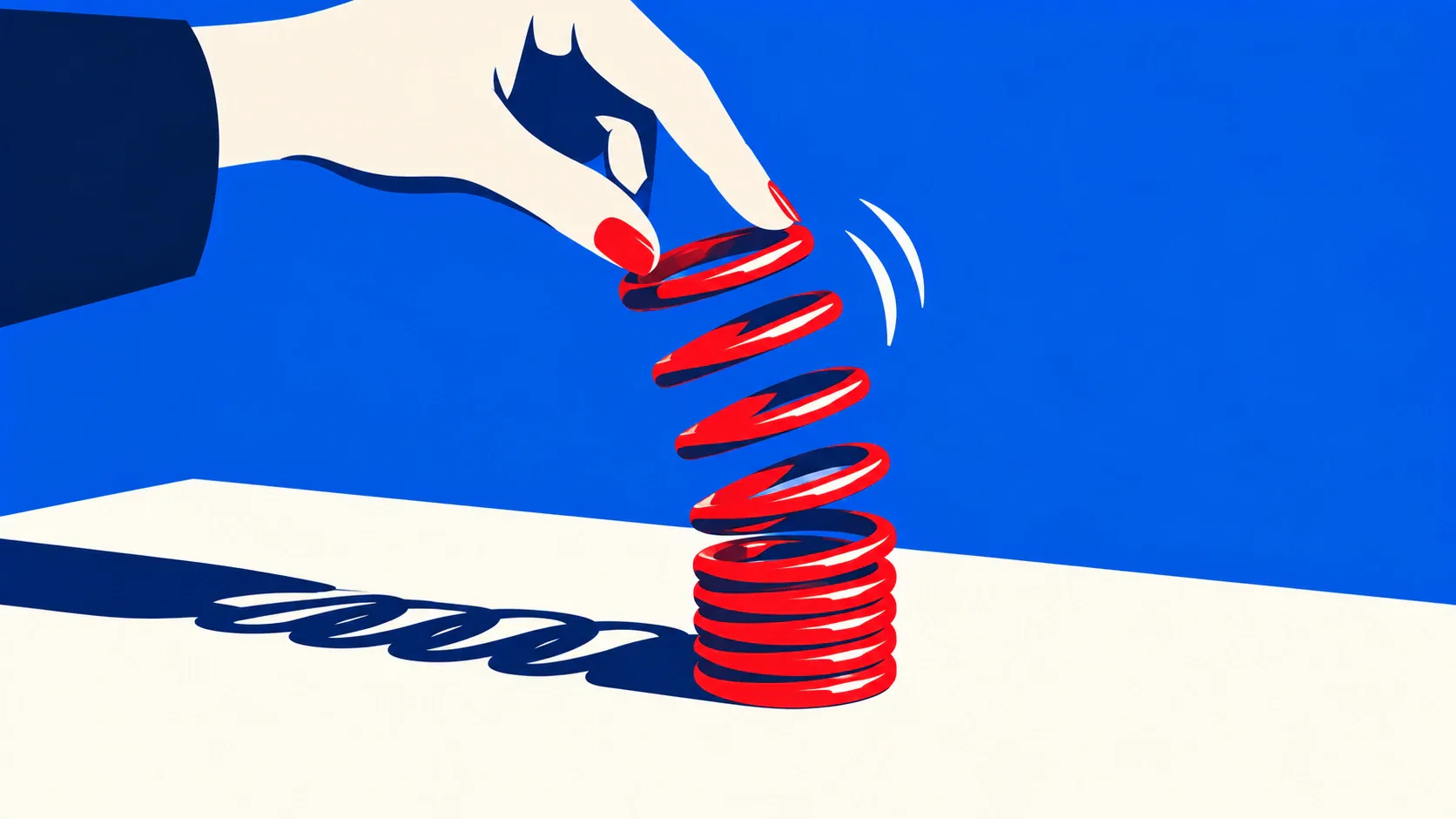
After semaglutide or tirzepatide, weight came back at twice the monthly rate seen across all weight-management medicines in a 2026 BMJ meta-analysis of 37 studies and 9,341 participants (West et al., 2026).
| Measure | Semaglutide or tirzepatide | Any weight-management medicine |
|---|---|---|
| Lost on treatment (kg) | 14.7 | 8.3 |
| Regained per month (kg) | 0.8 | 0.4 |
| Regained in the first year (kg) | 9.9 | 4.8 |
| Back to starting weight (years) | 1.5 | 1.7 |
In pounds (kg × 2.2), the semaglutide and tirzepatide rate is about 1.8 lb a month, with about 32 lb lost and 22 lb regained in the first year. The semaglutide and tirzepatide figures rest on 10 treatment arms with 1,776 participants, and only one study in the review followed anyone past a year (West et al., 2026). The return to the starting weight at 1.5 years is therefore a projection.
After behavioral weight-management programs ended, weight came back at 0.1 kg a month and was projected to reach the starting weight after 3.9 years, against 1.7 years after medicines (West et al., 2026). Regain after medicines stayed faster when the review compared matched initial losses of 5, 10 and 15 kg (West et al., 2026).
What happens when you stop Ozempic
When you stop Ozempic, the drug leaves slowly and the weight begins to return over the following months. Semaglutide’s half-life is about 1 week, so it stays in the body for about 5 weeks after the last dose (Ozempic prescribing information, section 12.3). Roughly half of what is left clears each week, and you can see that fall from the date and dose of your own last shot in the GLP‑1 plotter. To step down instead of stopping, see the published tapers for weaning off semaglutide.
After 20 weeks on semaglutide 2.4 mg, people ate 35% less at a free-choice meal than on placebo and reported less hunger and fewer cravings (UK Wegovy Summary of Product Characteristics, section 5.1). STEP 1’s extension, STEP 4 and SURMOUNT-4 did not measure appetite after the last dose. Our inference from how the drug works is that food noise returns first, then portions grow, and then the weight follows.
In STEP 1’s extension, most of the heart-risk improvements seen on semaglutide moved back toward baseline in the year after stopping (Wilding et al., 2022).
Muscle loss after stopping a GLP‑1

STEP 1’s extension, STEP 4 and SURMOUNT-4 did not scan body composition after the last dose, so whether the regained weight is fat or muscle has not been measured in them. During treatment, 25 to 39% of the weight lost was lean mass in the SURMOUNT-1 and STEP 1 scan studies (Look et al., 2025; Mozaffarian et al., 2025).
The nearest evidence on regain is a diet study that followed 78 postmenopausal women for a year after 5 months of calorie restriction (Beavers et al., 2011). Among the 54 who regained at least 2 kg, lean tissue fell 0.26 kg per kg of fat lost but rose only 0.12 kg per kg of fat regained (Beavers et al., 2011). The authors call the result only suggestive, because the two rates were not statistically different.
If that pattern held after a GLP‑1, someone could return to their starting weight with more fat and less lean mass than before. For holding on to lean mass, the 2025 joint advisory points to resistance training and protein (Mozaffarian et al., 2025). You can set a daily protein target for your weight with the GLP‑1 protein calculator.
Why stopping brings the weight back
The STEP 1 extension authors read the regain as confirming that obesity is chronic, and suggested that ongoing treatment is needed to keep the improvements in weight and health (Wilding et al., 2022). The American Diabetes Association’s 2026 obesity standards make continuing the medicine after reaching treatment goals a grade A recommendation, because stopping often brings back the weight and the risk factors (ADA, 2026).
A lower dose held more of the loss than stopping in SURMOUNT-MAINTAIN, which randomized adults after 60 weeks on tirzepatide 10 or 15 mg (Horn et al., 2026). Of those stepped down to 5 mg, 25% regained at least half of what they had lost and started rescue tirzepatide, against 67% switched to placebo (Horn et al., 2026).
Restarting after 2 or more missed weekly doses means climbing the dose ladder again on Wegovy, whose US label restarts the escalation at a lower dose (Wegovy prescribing information, section 2.4).
Questions
Frequently asked questions
Can diet and exercise prevent weight regain after stopping?
Not on their own. STEP 4 and SURMOUNT-4 kept diet and activity counseling going after the switch to placebo, and weight still came back (Rubino et al., 2021; Aronne et al., 2024). A 2025 expert consensus advises keeping the diet you started on, close follow-up and at least 150 minutes a week of aerobic and resistance exercise (Sievenpiper et al., 2025).
Does blood pressure go back up after stopping semaglutide?
On average, yes. In the STEP 1 extension, systolic and diastolic blood pressure rose after semaglutide stopped and were back at baseline by week 120, a year after the last dose (Wilding et al., 2022). Across all weight-management medicines, a 2026 BMJ meta-analysis projects systolic pressure back at baseline within a year of stopping and diastolic within 1.4 years (West et al., 2026).
How soon after stopping Ozempic does hunger come back?
Neither STEP 1’s extension nor STEP 4, the trials that took people off semaglutide, tracked appetite. At a half-life of about 1 week, a quarter of the level is left 2 weeks after the last Ozempic dose and about 3% after 5 weeks (Ozempic prescribing information, section 12.3).
Does a bigger loss come back faster?
It tends to. In the 2026 BMJ meta-analysis, a larger initial loss led to faster regain after both medicines and behavioral programs (West et al., 2026). In STEP 1’s extension, people who had lost 20% or more on semaglutide regained fastest, yet were still 12.1% below their starting weight a year after stopping (Wilding et al., 2022).
Sources
- Weight regain and cardiometabolic effects after withdrawal of semaglutide: the STEP 1 trial extension (Wilding et al.). Diabetes, Obesity and Metabolism, 2022.
- Effect of continued weekly subcutaneous semaglutide vs placebo on weight loss maintenance: the STEP 4 randomized clinical trial (Rubino et al.). JAMA, 2021.
- Continued treatment with tirzepatide for maintenance of weight reduction in adults with obesity: the SURMOUNT-4 randomized clinical trial (Aronne et al.). JAMA, 2024.
- Weight regain after cessation of medication for weight management: systematic review and meta-analysis (West et al.). BMJ, 2026.
- Tirzepatide for maintenance of bodyweight reduction in people with obesity in the USA (SURMOUNT-MAINTAIN) (Horn et al.). The Lancet, 2026.
- Ozempic (semaglutide) injection, prescribing information. Novo Nordisk, 2026.
- Wegovy (semaglutide) injection and tablets, prescribing information. Novo Nordisk, 2026.
- Wegovy 0.5 mg FlexTouch solution for injection in pre-filled pen, Summary of Product Characteristics. Novo Nordisk Limited, 2026.
- Body composition changes during weight reduction with tirzepatide in the SURMOUNT-1 study (Look et al.). Diabetes, Obesity and Metabolism, 2025.
- Nutritional priorities to support GLP‑1 therapy for obesity: a joint advisory (Mozaffarian et al.). Obesity Pillars, 2025.
- Is lost lean mass from intentional weight loss recovered during weight regain in postmenopausal women? (Beavers et al.). American Journal of Clinical Nutrition, 2011.
- Pharmacologic treatment of obesity in adults: Standards of care in overweight and obesity. American Diabetes Association, BMJ Open Diabetes Research and Care, 2026.
- Nutritional and lifestyle supportive care recommendations for management of obesity with GLP‑1-based therapies: an expert consensus statement using a modified Delphi approach (Sievenpiper et al.). Obesity Pillars, 2025.